Effective content optimization involves several improvements that strengthen both search performance and user experience.

Publishing content alone does not guarantee strong search visibility. Many websites have valuable articles, landing pages, and resources that fail to rank because they are not optimized for search intent, structure, or topical relevance.
SEO content optimization focuses on improving existing website content so that search engines and users can better understand its purpose and value. Modern search systems such as Google Search evaluate multiple signals when determining rankings, including topical depth, clarity, semantic relevance, and user engagement.
When content is optimized strategically, it becomes easier for search engines to interpret and more valuable for users seeking answers to their questions.
This process helps transform underperforming pages into powerful assets that attract consistent organic traffic and strengthen a website’s authority.
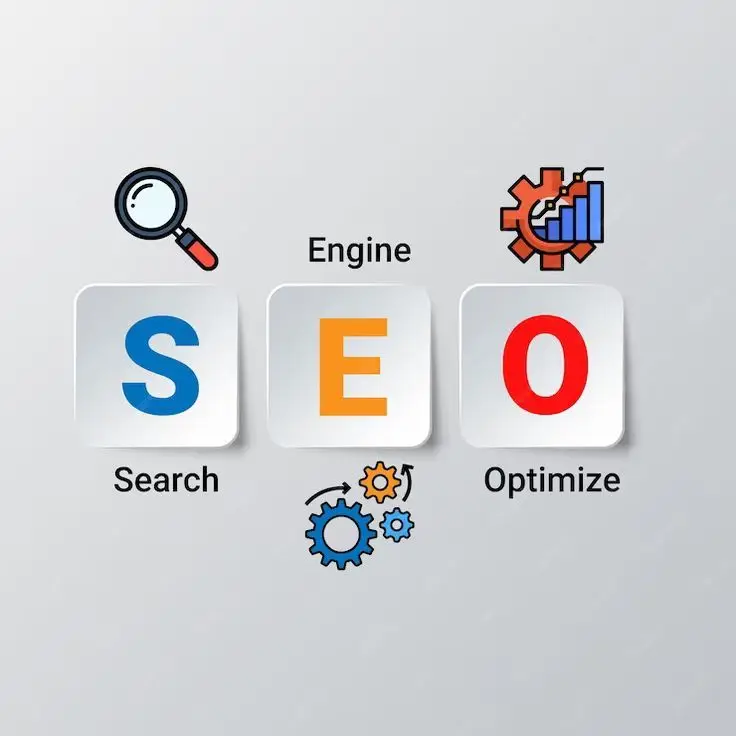
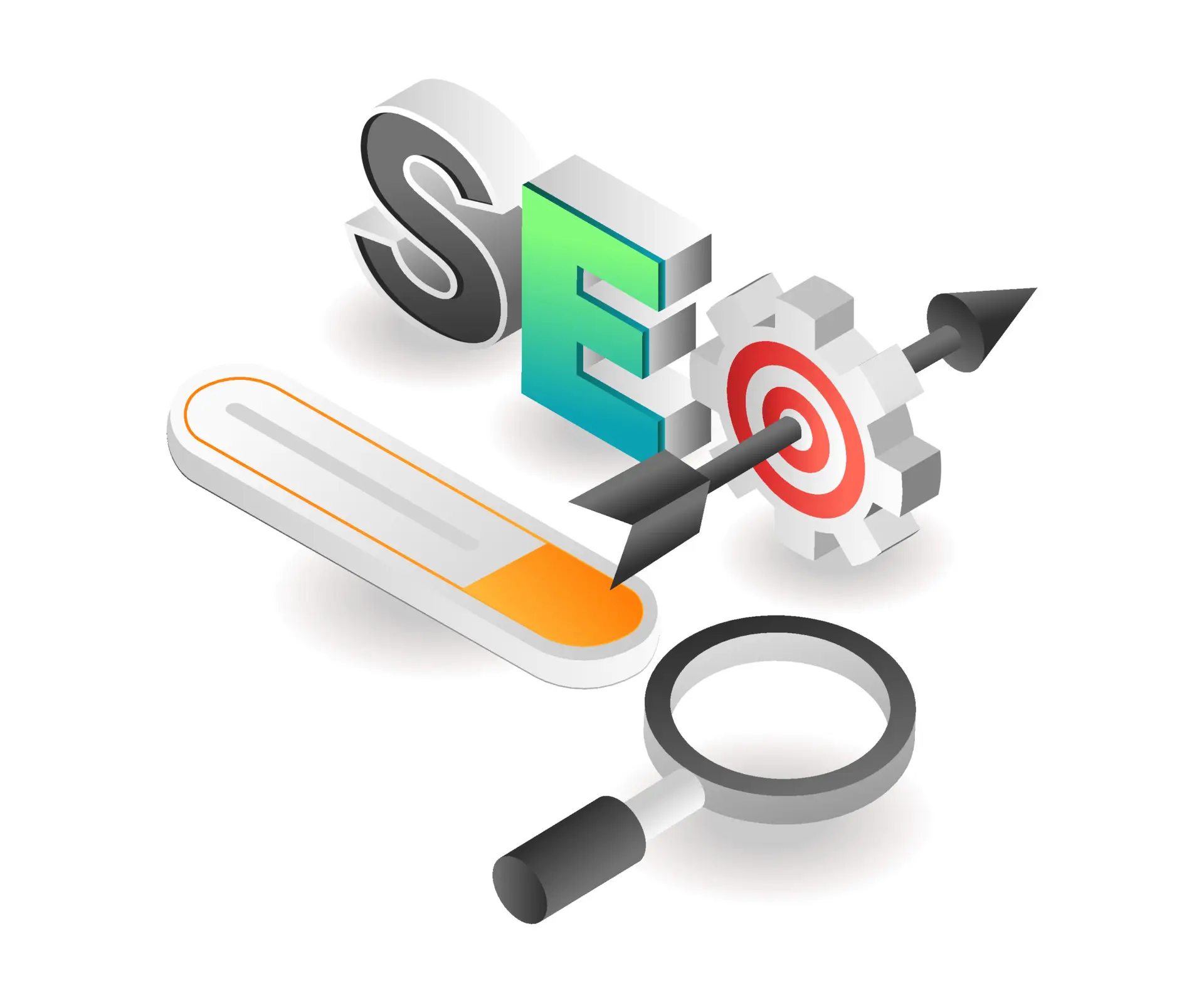
SEO content optimization is the process of improving existing website content so it ranks higher in search results and better satisfies user search intent.
The objective is to ensure that every page communicates clear signals to search engines while providing useful information to users.
Well-optimized content is more likely to appear in search features such as featured snippets, People Also Ask sections, and AI-generated summaries.
Many websites publish high-quality content but struggle to achieve visibility because the content is not structured for search performance.
Search engines prioritize pages that clearly answer user questions and provide structured information. Without optimization, even well-written pages may fail to compete against more strategically structured content.
By refining existing content, businesses can unlock the full potential of their website without constantly producing new articles.
Search technology is evolving rapidly. AI-driven platforms such as ChatGPT and Perplexity AI increasingly retrieve information from authoritative web pages to generate responses.
This means content must be structured in a way that both users and AI systems can easily understand.
Clear explanations, structured headings, and question-based sections help AI systems extract information more effectively.
Effective content optimization involves several improvements that strengthen both search performance and user experience.
Understanding what users are actually looking for is essential for successful SEO. Content must match the intent behind a search query, often requiring pages to provide clearer answers and stronger explanations. This includes aligning content with informational queries, commercial research queries, and service or solution searches to improve relevance and ranking potential.

Modern search algorithms focus on topic relevance rather than simple keyword repetition. Optimization strengthens semantic relationships by incorporating related terms, contextual signals, and comprehensive topic coverage, helping search engines better understand the subject of the page.
Content structure plays a major role in both engagement and search visibility. Optimization improves heading hierarchy, paragraph clarity, logical flow of information, and section organization, making content easier for both users and search systems to interpret.

Internal links help search engines understand the relationships between pages on a website. Strategic linking between related topics, supporting pages, and core content sections improves crawlability, strengthens topical authority, and guides users to additional relevant information.
Search engines rely on on-page signals to interpret the context of a page. Optimization includes improving title tags, meta descriptions, heading tags, and image alt attributes, helping search systems categorize content more accurately.
Strong metadata and content presentation increase the likelihood that users will engage with search results. Optimizing search result titles, description clarity, and content relevance signals can significantly improve click-through rates and overall search visibility.
A structured optimization process ensures that content improvements are based on real data rather than assumptions.
The first step is identifying pages with strong potential for improvement. Using tools such as Google Search Console, I analyze pages that receive impressions but few clicks, rank on page two or three of search results, and attract traffic but lack engagement, as these pages often provide the best opportunities for improvement.
Next, keyword and topic opportunities are analyzed using professional SEO tools such as Ahrefs. This research helps identify missing keyword opportunities, semantic topic gaps, and questions users frequently ask, which guide content improvements.

Based on research insights, content is expanded and refined to better address the topic. This may involve improving explanations, adding relevant sections, clarifying complex ideas, and strengthening topic coverage to provide more value for readers.
Content is reorganized to improve clarity and readability by enhancing heading structure, content formatting, and section flow, allowing both users and search engines to easily understand the information.

Content optimization continues after updates are published. Performance is monitored by tracking search rankings, impressions, click-through rates, and organic traffic to measure improvements.
SEO content requires ongoing refinement as search behavior evolves. Regular improvements based on performance data, search trends, and user engagement signals help maintain long-term search visibility.
My eCommerce SEO consulting services focus on improving organic visibility through structured optimization strategies that help online stores attract and convert high-intent customers.
This service is particularly valuable for businesses that already have content but are not seeing strong results.
Improving existing content often produces faster results than creating entirely new pages.
Businesses that invest in content optimization often experience measurable improvements in search performance.
Optimized content continues generating traffic long after updates are completed.
Most eCommerce SEO strategies begin showing measurable improvements within three to six months depending on competition and the current state of the website.
Yes. Stores built on platforms like Shopify can benefit greatly from SEO when product pages, categories, and technical structure are optimized.
Category pages and product pages are typically the most important because they target product searches and buyer intent.
SEO helps online stores attract customers who are actively searching for products. This targeted traffic often leads to higher conversion opportunities.
Yes. A properly optimized Google Business Profile helps search engines verify business information and improves visibility in local search results and map listings.

Your website may already contain valuable information that simply needs better optimization to perform well in search results.
A structured SEO content optimization strategy helps refine existing pages so they can reach their full potential in modern search environments.
If you want to improve rankings, increase organic traffic, and strengthen your website’s authority, optimizing your content can unlock significant growth opportunities.
© 2026 Asadulla Choudhury — All Rights Reserved.
Designed & Developed by Akaeid Hasan
