Search engines prioritize websites that demonstrate strong topic authority.

Publishing content without a strategy rarely delivers consistent results.
Many businesses create blog posts and pages but fail to gain visibility due to lack of planning.
Modern search engines and AI systems evaluate topic coverage, structure, and intent alignment.
A structured content strategy helps build authority, attract the right audience, and drive long-term growth.
As an SEO consultant, I create data-driven strategies that improve visibility and organic performance.


An SEO content strategy is a structured plan for creating and organizing website content to improve organic search visibility and attract qualified visitors.
Instead of publishing content randomly, a strategic approach ensures that each page serves a clear purpose within a larger topical framework.
These elements work together to help search engines understand what your website specializes in and why it should be trusted as a source of information.
Search engines prioritize websites that demonstrate strong topic authority.

Strategically planned content helps websites rank for a wider range of relevant search queries.
By targeting both high-intent keywords and supporting informational topics, businesses can increase organic reach.
Search engines measure authority by how well a website covers related topics.
A structured content strategy connects multiple pages around key subjects.
This signals expertise and improves the chances of ranking for competitive keywords.

Understanding how users search for information is essential for effective content creation.
A content strategy ensures that each page addresses a specific search intent, whether informational, commercial, or transactional.
Content that answers real customer questions attracts visitors who are actively researching solutions.
This creates more opportunities to convert organic traffic into leads and customers.
Many businesses struggle due to lack of direction.

Some websites publish blog posts or articles based on random ideas rather than data-driven research.
Without a structured plan, the content may fail to target meaningful search demand.

When a website only publishes a few isolated articles about a subject, it may not demonstrate sufficient expertise for search engines to consider it authoritative.
Comprehensive topic coverage strengthens credibility and improves ranking potential.

Internal links help search engines understand relationships between pages.
Without a clear linking structure, search engines may struggle to determine how different topics connect.

If a page does not address the user’s search intent, it may struggle to rank even if the keyword is included.
Content must provide clear, helpful answers to the questions users are asking.
My approach to content strategy focuses on building a structured system that aligns with search demand and strengthens topic authority.

Every successful content strategy begins with understanding how people search for information.
Keyword research identifies the search terms potential customers use when researching products, services, or industry topics.
This process helps determine:
high-value search queries
informational topic opportunities
commercial search intent
competitive keyword gaps
Understanding search behavior ensures that content targets meaningful opportunities.

A strong content strategy organizes pages around core topics using a pillar and cluster model.
A pillar page covers a broad topic in depth, while cluster pages explore related subtopics in greater detail.
For example, a pillar topic such as content strategy may include supporting pages about:
keyword research strategy
content planning processes
internal linking structures
content optimization techniques
This structure helps search engines understand topic relationships and strengthens overall authority.
Once the content architecture is defined, a structured plan is developed to guide content production.
This plan outlines:
priority topics to target
search intent alignment
page types required for each topic
internal linking opportunities
Strategic planning ensures that content development remains focused and aligned with long-term SEO goals.

Well-structured content is easier for both users and search systems to understand.
Optimization focuses on improving heading hierarchy, clarity of explanations, semantic keyword usage, internal linking relationships, and readability and organization.
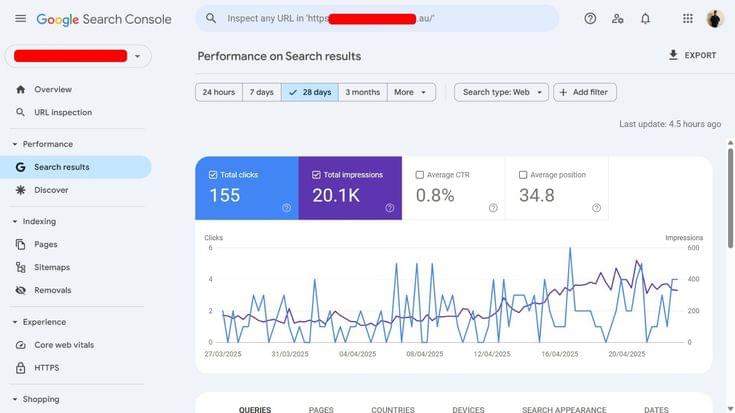
Monitoring includes tracking keyword rankings, analyzing organic traffic trends, identifying content gaps, and refining underperforming pages to continuously improve content performance.
My consulting services help businesses build structured content systems designed to improve organic visibility and authority.
These services work together to create a scalable content framework that supports long-term growth.
Each project follows a structured process designed to identify opportunities and implement a clear strategy.
The process begins with a detailed review of the existing website content. This analysis helps identify underperforming pages, content gaps, and opportunities for optimization.
Research identifies search queries that potential customers use when exploring your industry.
This step ensures that the content strategy focuses on topics with meaningful search demand.
A structured framework is created that organizes topics into pillar pages and supporting content clusters.
This improves topic coverage and internal linking relationships.
A roadmap is developed outlining which content should be created, updated, or expanded over time.
This plan ensures that content production remains consistent and aligned with business goals.
Content is optimized to improve clarity, search visibility, and user engagement.
This may involve refining page structure, improving headings, and strengthening internal linking.
SEO performance is monitored to track progress and identify additional opportunities for growth.
Continuous refinement helps maximize the long-term impact of the content strategy.
When implemented effectively, a structured content strategy can produce measurable improvements in online visibility.
Businesses often experience outcomes such as:
Content strategy is a long-term investment that strengthens the foundation of a website’s organic growth.
An SEO content strategy is a structured plan for creating and organizing website content to improve search engine visibility and attract relevant organic traffic.
Content strategy improves SEO by targeting relevant search queries, strengthening topical authority, and organizing website content in a way that search engines can easily understand.
SEO content strategies typically begin producing measurable improvements within three to six months depending on competition, industry, and website authority.
Content strategies may include service pages, blog articles, guides, industry resources, and supporting content clusters designed to strengthen topic authority.
Yes. A properly optimized Google Business Profile helps search engines verify business information and improves visibility in local search results and map listings.

Content is the foundation of online visibility, but without strategy, results remain limited.
A structured approach ensures every page contributes to long-term growth.
© 2026 Asadulla Choudhury — All Rights Reserved.
Designed & Developed by Akaeid Hasan
