Many online stores struggle with search visibility due to structural issues or incomplete SEO strategies. Here are some common challenges that impact performance.

Online shopping has changed how customers discover and buy products, with most journeys starting from a search query. Searches like “best skincare products online” or “buy winter jackets online” happen every day, and users typically choose stores that appear at the top of search results.
Stores with strong rankings gain consistent organic traffic, while those with low visibility miss potential customers. eCommerce SEO focuses on optimizing product and category pages so stores appear in these searches.
I help online businesses build structured SEO strategies that improve product visibility and support long-term sales growth.


eCommerce SEO is the process of optimizing an online store so its product pages, category pages, and content appear when customers search for products.
Unlike traditional websites, eCommerce stores often have hundreds or thousands of pages, making structured SEO essential for helping search engines understand site structure and relevance.
Search platforms like Google use these signals to rank stores for product-related queries. When done properly, eCommerce SEO helps attract highly targeted customers actively searching for products.
Organic search is one of the most valuable traffic sources for online stores because it connects businesses with customers who already have purchase intent.
Unlike paid advertising, organic search traffic can generate consistent sales over time without continuous advertising costs.
Businesses that invest in eCommerce SEO often experience several benefits:
Many successful online stores rely heavily on organic search traffic to maintain steady sales.
SEO allows eCommerce brands to reach customers during the exact moment they are searching for products.
Many online stores struggle with search visibility due to structural issues or incomplete SEO strategies. Here are some common challenges that impact performance.
eCommerce stores often have hundreds or thousands of pages. Without a clear structure, search engines may struggle to crawl and prioritize important pages.

Filters, sorting options, and product variations can create multiple similar URLs. This can confuse search engines and weaken ranking signals.

Some product pages use minimal or duplicate descriptions. This makes it harder for search engines to understand product value and uniqueness.

Category pages are key entry points, but often lack content. Adding structured descriptions improves relevance and visibility.

Slow speed, broken links, and poor mobile usability can hurt rankings. Technical improvements help search engines crawl and evaluate the site properly.

Poor internal linking can make it difficult for search engines to discover important pages. A clear linking structure helps distribute authority and improve page visibility.
My eCommerce SEO strategy focuses on building a structured system that improves both product visibility and organic revenue. Instead of isolated fixes, it strengthens multiple areas that influence overall search performance.

Understanding how customers search for products is the foundation of eCommerce SEO. Research identifies the keywords buyers use when comparing products, exploring options, and making purchasing decisions. These insights help determine which keywords should be targeted on category and product pages.

Category pages often capture high-volume product searches and act as key entry points. Optimization includes targeted keyword integration, helpful category descriptions, improved internal linking, and structured product organization, which strengthen overall page relevance.
Product pages should provide detailed and helpful information that supports purchasing decisions. Key improvements include unique product descriptions, optimized product titles, structured product information, image optimization, and internal linking, improving both visibility and user experience.
Technical SEO ensures search engines can efficiently crawl and index the store. This includes improvements in crawl efficiency, site architecture, URL structure, mobile performance, and page speed, creating a strong foundation for performance.

Content plays a major role in attracting informational traffic. Publishing helpful resources such as product buying guides, product comparisons, troubleshooting guides, and industry insights helps build authority and trust.
A well-structured internal linking system helps search engines understand relationships between pages and improves the visibility of important product and category pages.
My eCommerce SEO consulting services focus on improving organic visibility through structured optimization strategies that help online stores attract and convert high-intent customers.
My consulting services focus on improving organic visibility through structured optimization strategies.
These services work together to strengthen the store’s ability to attract and convert organic traffic

Each eCommerce SEO project follows a structured workflow designed to identify opportunities and improve search performance.
The process begins with a detailed analysis of the website to identify technical issues, content gaps, and structural problems affecting search visibility.
Research identifies the search queries customers use when looking for products. This ensures that category and product pages align with real buyer searches.
Technical improvements ensure that search engines can efficiently crawl and understand the website.
This includes improving site architecture and resolving indexing issues.
Category and product pages are optimized to improve search visibility and provide clearer information to potential buyers.
Publishing helpful content strengthens topical authority and attracts additional organic traffic.
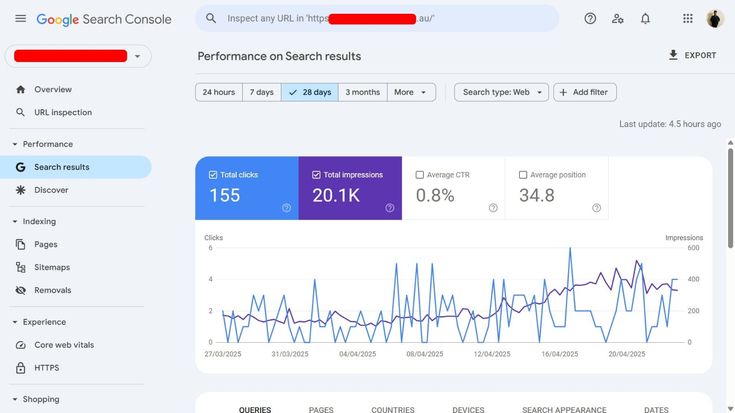
SEO performance is monitored using professional tools such as:
These insights help refine the strategy and identify further growth opportunities.
When implemented correctly, eCommerce SEO can produce measurable improvements such as:
SEO is a long-term strategy that continues to generate value as website authority grows.
Most eCommerce SEO strategies begin showing measurable improvements within three to six months depending on competition and the current state of the website.
Yes. Stores built on platforms like Shopify can benefit greatly from SEO when product pages, categories, and technical structure are optimized.
Category pages and product pages are typically the most important because they target product searches and buyer intent.
SEO helps online stores attract customers who are actively searching for products. This targeted traffic often leads to higher conversion opportunities.
Yes. A properly optimized Google Business Profile helps search engines verify business information and improves visibility in local search results and map listings.

If your store wants to improve product visibility and attract more organic customers, a structured eCommerce SEO strategy can help strengthen your search presence and drive consistent growth.
Schedule a consultation to explore opportunities and improve your store’s search performance.
© 2026 Asadulla Choudhury — All Rights Reserved.
Designed & Developed by Akaeid Hasan
