A structured on-page SEO strategy involves multiple optimization steps designed to improve both technical clarity and content relevance.
Below are the core components of my on-page SEO services.

Optimize Website Content for Higher Search Rankings
On-page SEO focuses on optimizing the content and structural elements of a website so search engines can understand its relevance and rank it appropriately in search results. Proper on-page optimization ensures that every page communicates clear signals to search systems like Google Search.
Without effective on-page optimization, even high-quality websites may struggle to achieve strong visibility in competitive search environments.
As an SEO consultant, I provide structured on-page SEO strategies designed to improve search visibility, enhance user experience, and align website content with modern search algorithms and AI-driven discovery systems.
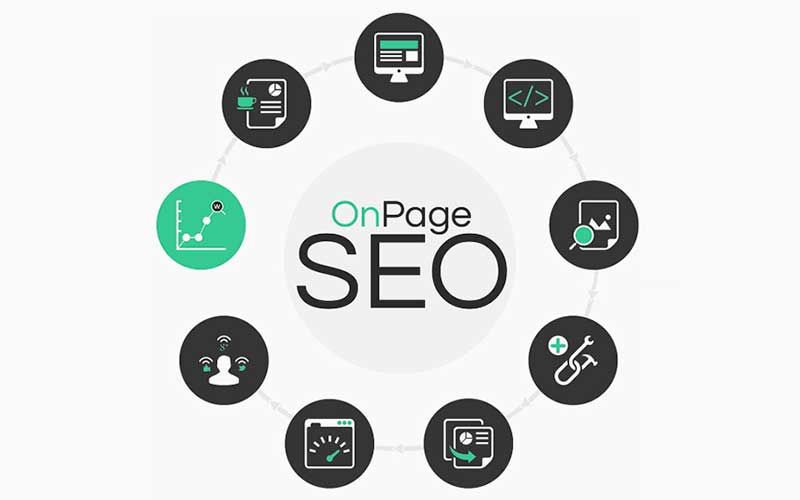
On-page SEO refers to the process of optimizing individual web pages so they can rank higher in search results and attract relevant organic traffic.
Search engines evaluate these signals to determine whether a page matches the user’s search intent and provides helpful information.
Effective on-page SEO ensures that both users and search engines can clearly understand what a page is about.
Search engines rely heavily on on-page signals when determining how pages should rank.
Even if a website has strong backlinks or domain authority, poorly optimized pages can still limit ranking potential.
These improvements help search engines interpret content more accurately and deliver it to users searching for relevant topics.
A structured on-page SEO strategy involves multiple optimization steps designed to improve both technical clarity and content relevance.
Below are the core components of my on-page SEO services.

Successful SEO begins with understanding what users are searching for and why.
Keyword and intent optimization involves identifying relevant search queries and ensuring that website content answers those queries clearly.
This includes:
This step ensures that website pages align with real user search behavior.

Title tags and meta descriptions influence how pages appear in search results.
Optimized metadata improves visibility and encourages users to click on search listings.
Optimization includes:
Better metadata can significantly improve click-through rates from search results.

Search engines and AI systems prefer structured content that is easy to interpret.
Content structure optimization includes:
This helps search engines evaluate the relevance and completeness of each page.

Internal links help search engines understand the relationship between different pages on a website.
They also help distribute authority across pages.
My internal linking optimization focuses on:
A strong internal linking structure improves both search performance and user navigation.

Images can contribute to both user experience and search visibility when properly optimized.
Image optimization includes:
Optimized images improve page speed and accessibility.

Search engines evaluate whether a page fully covers a topic.
Content optimization focuses on:
This helps pages compete effectively in search results.
A systematic approach ensures consistent and measurable improvements in website performance.
The first step is analyzing your website’s structure and optimization level. Issues like missing metadata, poor heading structure, duplicate content, and internal linking gaps are identified to build a strong foundation.
Each page is aligned with specific search queries. This includes mapping keywords, topics, and user intent to avoid overlap and improve content clarity.
Page elements are refined to improve structure and relevance, including titles and descriptions, heading structure, content clarity, and internal linking.
Content is expanded and improved to provide better value by strengthening explanations, content depth, and topical coverage.
Technical elements are optimized to support performance, including site structure, crawlability, and overall page efficiency.
Performance is tracked through rankings, impressions, click-through rates, and organic traffic to continuously refine the strategy.
Businesses that invest in structured on-page SEO often experience measurable improvements in search performance.
Key benefits include:
These improvements contribute to sustainable organic growth.
On-page SEO is beneficial for a wide range of websites and industries.
It is particularly valuable for:
Any website that relies on search traffic can benefit from properly optimized pages.
On-page SEO focuses on optimizing content and page elements, while technical SEO focuses on website infrastructure such as crawlability, indexing, and performance.
The timeline varies depending on website authority and competition, but improvements in visibility can often be observed within several weeks to a few months after optimization.
On-page SEO is an essential foundation, but it typically works best when combined with technical SEO improvements and authority-building strategies such as quality backlinks.
Websites should review and update their on-page optimization periodically to ensure that content remains relevant and aligned with evolving search algorithms.
Yes. A properly optimized Google Business Profile helps search engines verify business information and improves visibility in local search results and map listings.

On-page SEO plays a fundamental role in how search engines evaluate and rank websites. A properly optimized website structure, content strategy, and internal linking framework help search engines understand your pages and deliver them to the right audience.
If your website is not achieving the visibility it deserves, a structured on-page optimization strategy can identify opportunities for improvement and strengthen your search performance.
© 2026 Asadulla Choudhury — All Rights Reserved.
Designed & Developed by Akaeid Hasan
