Many websites face hidden technical issues that impact rankings.

Search engines rely on automated systems to crawl, understand, and index websites before they appear in search results.
If a website’s technical structure blocks access, even strong content and backlinks may struggle to rank.
Many websites lose visibility due to issues like slow loading pages, crawl errors, broken links, duplicate content, and poor architecture.
Technical SEO focuses on fixing these structural problems so search engines can properly evaluate your website.
When done right, it strengthens your foundation and improves the effectiveness of all other SEO efforts.
As an SEO consultant, I help businesses identify technical limitations and implement structured improvements for long-term growth.

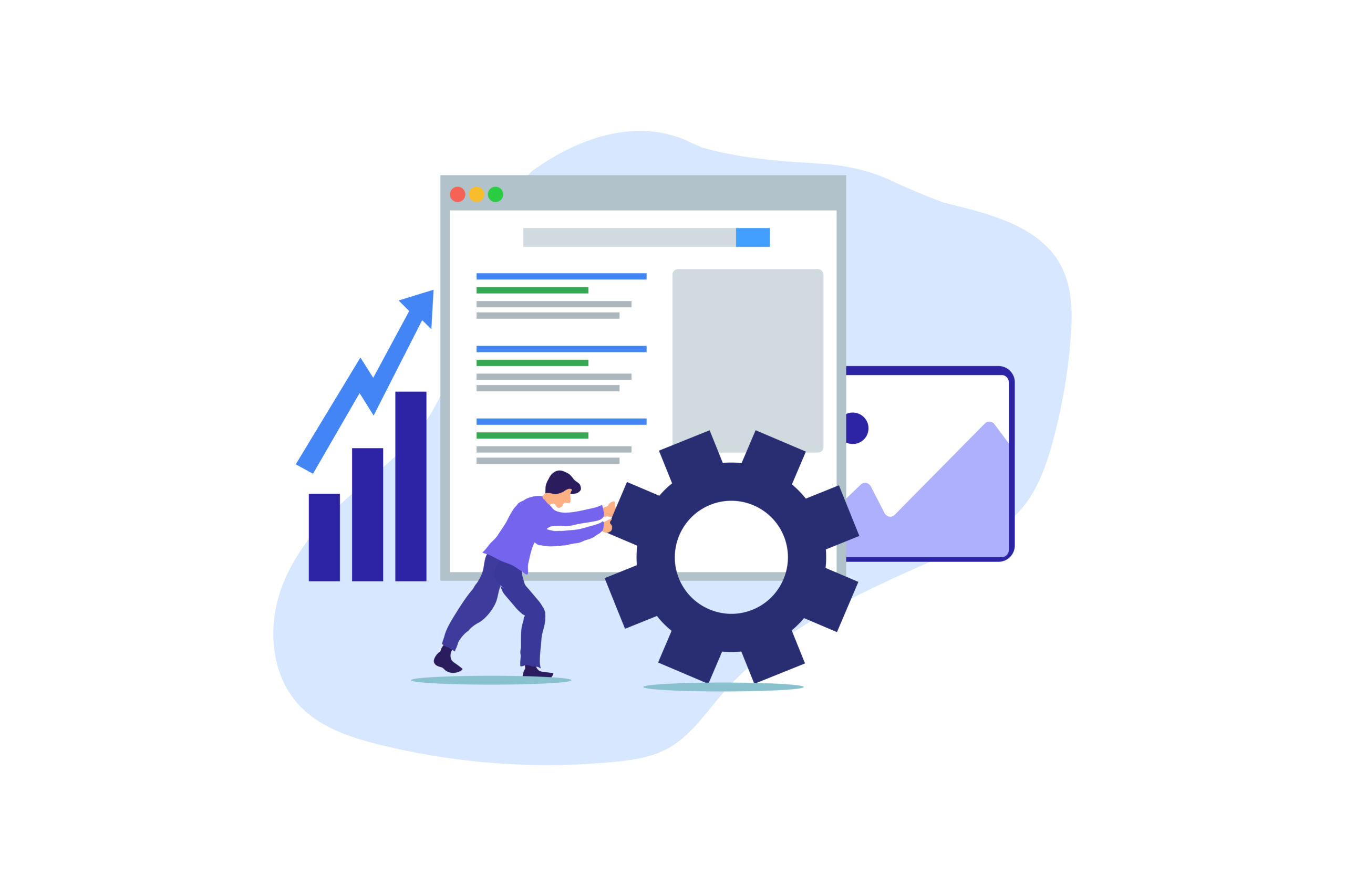
Technical SEO is the process of optimizing a website’s infrastructure so search engines can crawl, interpret, and index pages efficiently.
Search engines analyze multiple technical signals before ranking pages. Technical SEO ensures there are no barriers in this process.
A strong foundation helps search engines understand your website clearly and improves overall performance.
Technical SEO determines whether your website can compete in search results.
Even high-quality content may fail if technical issues prevent proper indexing.
It’s not just fixing errors — it’s building a scalable SEO foundation.
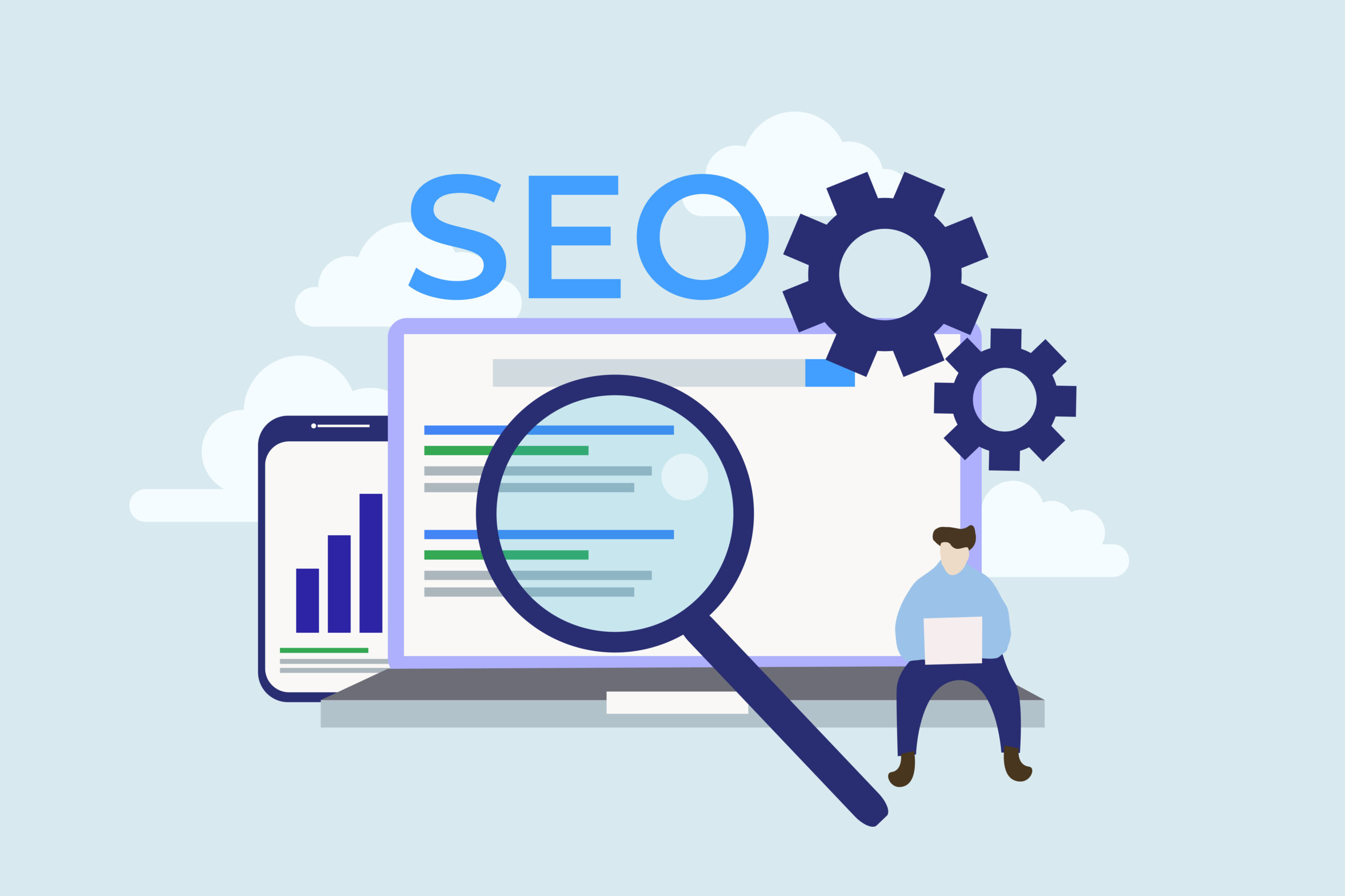
Many websites face hidden technical issues that impact rankings.

Search engines must first crawl a page before it can be indexed and appear in search results.
Problems with crawlability may occur due to:
These issues can prevent important pages from being discovered or indexed.

Website structure influences how search engines interpret relationships between pages.
When site architecture is unclear, crawlers may struggle to determine which pages are most important.
Effective architecture typically includes:
These elements help search engines understand the overall structure of a website.

Website performance directly affects both search rankings and user experience.
Slow loading pages often result in:
Technical optimization can improve performance by reducing unnecessary code, optimizing images, and improving server response times.

Poor mobile performance affects visibility due to mobile-first indexing.

Multiple URLs with similar content confuse search engines without proper canonical setup.

Poor internal linking can make it difficult for search engines to discover important pages. A clear linking structure helps distribute authority and improve page visibility.
My approach focuses on improving the entire technical system — not just isolated fixes.

Technical SEO often includes improving website performance by addressing issues such as:
Performance improvements help both users and search engines interact with the website more efficiently.
Ensuring that search engines can properly crawl and index important pages is essential for search visibility.
This process may involve improving:
These adjustments help search engines identify and prioritize key pages.

Improving site architecture helps search engines understand how different pages relate to each other.
A well-organized structure typically includes:
Home
→ Category
→ Subcategory
→ Content pages
Clear architecture improves crawl efficiency and strengthens topical relevance.
Fix performance issues like heavy images, scripts, and slow response time.
Add schema markup to improve search understanding and rich results.

Optimize image names, alt tags, and compression for better performance and visibility.
My consulting services focus on improving the technical health of websites through structured optimization strategies.
These services work together to strengthen the technical foundation of a website and support long-term SEO performance.

Each technical SEO project follows a structured workflow designed to identify problems and implement improvements efficiently.
The process begins with a comprehensive analysis of the website to identify technical limitations affecting search performance.
Technical problems such as crawl errors, slow pages, or duplicate content are identified and prioritized based on their potential impact.
A structured plan is created to address technical issues and improve overall site performance.
Recommended improvements are implemented or coordinated with developers to ensure proper technical execution.
Publishing helpful content strengthens topical authority and attracts additional organic traffic.
Technical performance is monitored using professional SEO tools such as:
These tools provide insights that help refine the technical SEO strategy over time.
When technical issues are resolved and the website structure is optimized, businesses often experience improvements such as:
Technical SEO establishes the infrastructure that allows other SEO strategies to succeed.
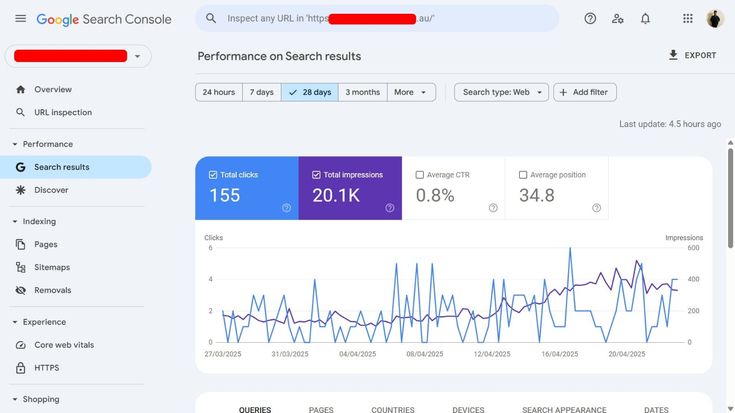
Technical SEO focuses on optimizing the infrastructure of a website, while on-page SEO focuses on improving content and page elements such as titles and headings.
Some technical improvements may produce results quickly, while others may take several weeks as search engines recrawl and reindex updated pages.
Yes. Every website benefits from technical optimization because search engines rely on technical signals to evaluate and rank pages.
Technical SEO audits are typically recommended at least once or twice per year, or whenever major website changes occur.
Yes. A properly optimized Google Business Profile helps search engines verify business information and improves visibility in local search results and map listings.

If your website has crawl issues, slow speed, or indexing problems, technical SEO can strengthen its foundation.
By fixing structural barriers, your website becomes easier for search engines to understand and rank.
© 2026 Asadulla Choudhury — All Rights Reserved.
Designed & Developed by Akaeid Hasan
